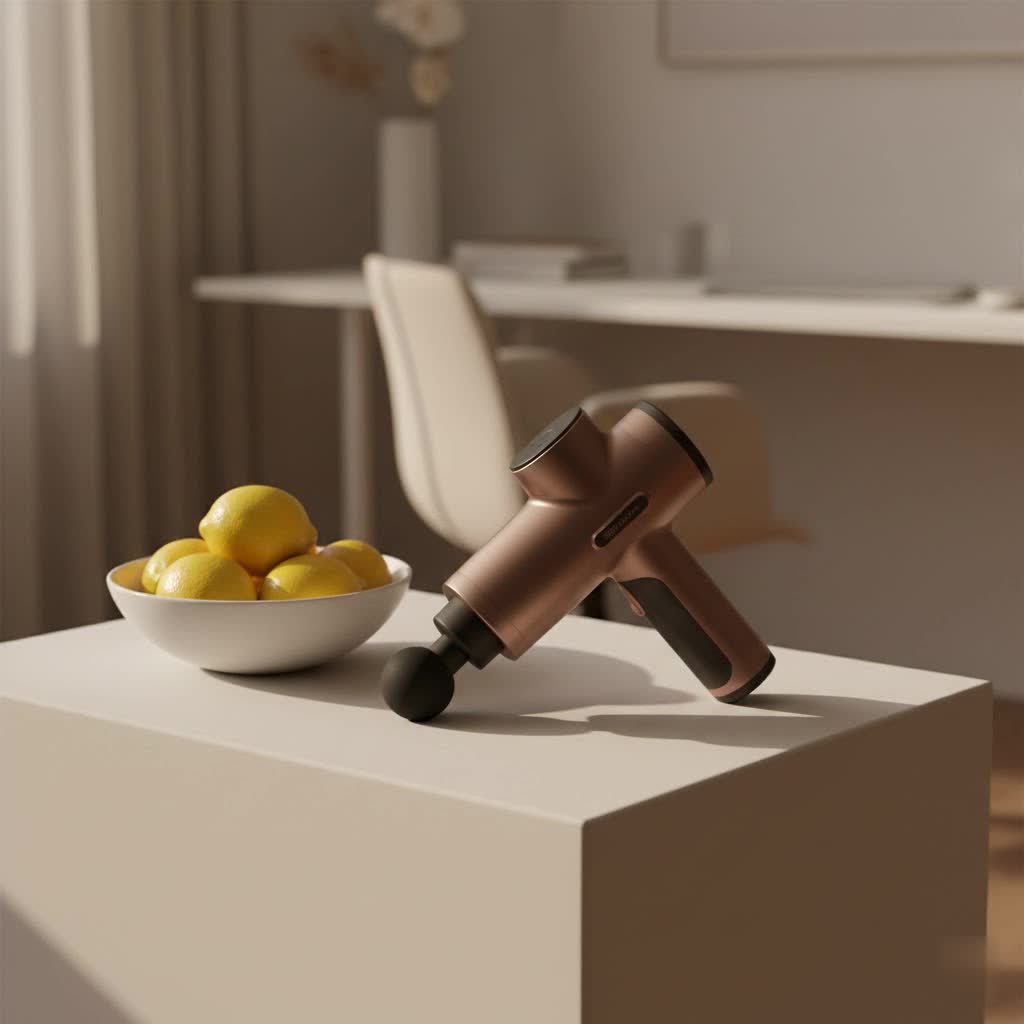
Waking up with that sharp, stabbing pain in your heel can truly put a damper on your day. If you’ve experienced it, you know the frustration of plantar fasciitis, a common culprit behind foot discomfort. But what if there was a powerful, handheld tool that could help you reclaim comfort and mobility? Enter the Massage Gun For Plantar Fasciitis, a game-changer in at-home recovery that leverages percussive therapy to target those deep-seated tensions. Here at NSDC, with over 15 years of practical experience in muscle recovery, we’re dedicated to helping you understand how this innovative device can become your trusted ally against heel pain.
Understanding Plantar Fasciitis: What’s Happening in Your Foot?
Before we dive into solutions, let’s get a clear picture of what plantar fasciitis actually is. Simply put, it’s a condition affecting the plantar fascia, a thick band of fibrous tissue that runs along the bottom of your foot, connecting your heel bone to your toes. This crucial tissue supports your foot’s arch and acts as a shock absorber during movement. When it becomes irritated or inflamed, it can lead to significant pain.
The most common symptom is a stabbing pain near the heel, which is often worst with your very first steps in the morning or after long periods of rest. As you move, the pain might lessen temporarily, but it can return with prolonged standing or activity. Several factors can increase your risk, including:
- Overuse and Repetitive Strain: Activities like long-distance running, ballet, or even jobs requiring prolonged standing can overstress the fascia.
- Foot Mechanics: Having flat feet, high arches, or an atypical walking pattern can alter weight distribution and put extra strain on the plantar fascia.
- Tight Calf Muscles: Tightness in your calves and Achilles tendon can transfer increased stress to the plantar fascia.
- Improper Footwear: Shoes lacking adequate arch support or cushioning can exacerbate the condition.
- Obesity: Excess body weight naturally places greater stress on your feet.
Why a Massage Gun for Plantar Fasciitis? Unlocking the Benefits
So, how does a futuristic percussive device fit into managing a condition as stubborn as plantar fasciitis? Massage guns work by delivering rapid pulses of pressure deep into muscle tissue, a process known as percussive therapy. This isn’t just a surface-level rub; it’s a targeted treatment that can bring a cascade of benefits to your aching feet and calves.
Reducing Pain and Muscle Tension
|
Our Picks for the Best Massage Gun in 2026
As an Amazon Associate I earn from qualifying purchases.
|
||
| Num | Product | Action |
|---|---|---|
| 1 | Mebak 3 Massage Gun, Massage Gun Deep Tissue for Athletes, Professional Muscle Percussion Massager, Massager for Shoulder Leg Back Body Pain Relief, Quiet Portable Sport Tool, Gifts for Him |

|
| 2 | OLsky Massage Gun Deep Tissue, Handheld Electric Muscle Massager, High Intensity Percussion Massage Device for Pain Relief with 9 Attachments,Pallet of Product |
|
| 3 | AERLANG Massage Gun with Heat Deep Tissue Back Massager Neck Massager for Pain Relief,Muscle Percussion Massage Gun, Birthday Gifts for Men Women Dad him Handheld Message Gun with 7Heads&Silent |
|
| 4 | TOLOCO Massage Gun, Deep Tissue Back Massage for Athletes for Pain Relief, Percussion Massager with 10 Massages Heads & Silent Brushless Motor, Christmas Gifts for Women, Men, Carbon |
|
| 5 | TOLOCO Massage Gun Deep Tissue, Percussion Massage Gun with 10 Replacement Heads, Super Quiet Portable Electric Massager for Athletes, Relax, Black |
|
| 6 | BOB AND BRAD Q2 Mini Massage Gun, Pocket-Sized Deep Tissue Massager Gun, Portable Percussion Muscle Massager Gun, Ultra Small & Quiet Muscle Massage Gun for Muscle Recovery with Carry Case |
|
| 7 | TOLOCO Massage Gun, Deep Tissue Back Massage for Athletes for Pain Relief, Percussion Massager with 10 Massages Heads & Silent Brushless Motor, Christmas Gifts for Women, Men, Black |
|
| 8 | BOB AND BRAD C2 Massage Gun, FSA Eligible & HSA Approved Deep Tissue Percussion Massager Gun, Muscle Massager with 5 Speeds and 5 Heads, Electric Back Massagers for Professional Athletes Home Gym |
|
| 9 | TOLOCO Massage Gun, Deep Tissue Back Massage for Athletes for Pain Relief, Percussion Massager with 10 Massages Heads & Silent Brushless Motor, Christmas Gifts for Women, Men, Grey |
|
| 10 | Elefor Massage Gun Deep Tissue,Percussion Back Massager Gun for Athletes Muscle Massage Gun for Pain Relief with 8 Massage Heads & 20 Speeds (Matte Black) |
|
When plantar fasciitis flares up, it’s not just your foot that suffers; your calf muscles often become tense in response. The rapid, focused pulsations from a massage gun can effectively penetrate these tight areas in your calves and the arch of your foot, helping to release stubborn knots and alleviate soreness. By working through these areas, the massage gun helps to decompress the stressed tissue, offering much-needed relief from that persistent heel pain.
Boosting Circulation and Healing
Improved blood flow is paramount for recovery. The percussive action of a massage gun significantly enhances circulation to the treated areas. This influx of blood brings vital oxygen and healing nutrients directly to the irritated plantar fascia, which can help reduce inflammation and accelerate the natural healing process. Think of it as giving your body’s repair system a fast-track pass to the problem zone.
Improving Flexibility and Range of Motion
Tight calves can severely limit your ankle’s range of motion, further aggravating plantar fasciitis. Regular use of a massage gun on both your calves and the intricate muscles of your foot can help loosen stiffness in the connective tissues and joints. This increased flexibility in your lower leg and foot can make walking and other daily activities feel significantly more comfortable and fluid.
Breaking Down Scar Tissue and Trigger Points
Over time, chronic inflammation can lead to the formation of scar tissue and highly irritable “trigger points” within the muscle fibers. A massage gun’s deep tissue capabilities are excellent for breaking down these problematic adhesions. By targeting these knots, percussive therapy helps to restore normal tissue function and can prevent the cycle of tension and pain from recurring.
Getting Started: Choosing the Right Massage Gun for Your Feet
Selecting the ideal massage gun is key to maximizing your relief from plantar fasciitis. With so many options out there, knowing what features truly matter can feel a bit overwhelming. Here’s what to prioritize when making your choice:
- Adjustable Speed and Intensity: This is crucial. You’ll want a device that allows you to start on the lowest, most gentle setting and gradually increase intensity as your comfort allows. A range from 1400 to 3200 RPM (revolutions per minute) is generally excellent, providing versatility for both sensitive and deeper tissue work. Look for models with at least 30-60 lbs of “no-stall force,” meaning it won’t stop working when you apply pressure.
- Versatile Attachments: Different attachments are designed for different body parts and depths of massage. For plantar fasciitis, a pointed or “bullet” head attachment is excellent for targeting specific trigger points around the heel and arch, while a softer, rounded attachment can be used for broader, more general relief across the foot or for your calf muscles. Some even offer a “fork” attachment which can be used to trace along the plantar fascia or Achilles tendon.
- Ergonomic Design: Since you’ll be reaching your feet and calves, an ergonomic design that’s easy to hold and maneuver is a must. A comfortable grip will prevent hand and wrist strain during your sessions.
- Battery Life & Portability: Consistency is vital for managing plantar fasciitis. A massage gun with a long battery life (several hours) means fewer interruptions. If you travel or want to use it away from home, a lightweight and portable design is also a huge plus.
- Quiet Operation: While not directly tied to effectiveness, a quieter massage gun can make your daily therapy sessions more enjoyable and less disruptive, encouraging more consistent use.
Your Step-by-Step Guide: How to Effectively Use a Massage Gun for Plantar Fasciitis Relief
Using a massage gun for plantar fasciitis isn’t just about pointing and pressing; it’s about technique and understanding your body. As an NSDC expert, I’ve guided countless individuals through this process, and here’s what I recommend for safe and effective relief:
Before You Begin
- Consult a Professional: Always a smart first step! If you’re unsure whether a massage gun is right for your specific condition, chat with a physical therapist, podiatrist, or your doctor. They can offer personalized advice and integrate it into your overall treatment plan.
- Warm-Up Gently: Before you pick up the massage gun, a few minutes of light stretching or movement can help prepare your muscles.
- Apply Lubricant (Optional but Recommended): To ensure the massage gun glides smoothly over your skin and prevents friction, consider applying a small amount of massage oil or lotion to your foot and lower leg.
Targeting the Plantar Fascia
- Start Low and Slow: Begin with the massage gun on its lowest speed setting. You want to ease into this, not shock your sensitive tissues.
- Choose the Right Attachment: For the arch and heel, a pointed or bullet attachment can be very effective for specific trigger points. For broader coverage or more sensitive areas, a rounded attachment might be more comfortable.
- Focus on the Arch and Heel (with caution): Gently position the massage gun on the arch of your foot. Move it slowly along the length of the arch, from the ball of your foot towards the heel, following the natural curve. When you approach the heel, avoid direct contact with the bony part of your heel bone. Instead, focus on the softer tissue surrounding it, particularly where the plantar fascia attaches.
- Maintain a Steady Pace: Move the massage gun slowly and consistently, allowing the percussions to penetrate the tissue. Avoid rapid, jerky movements.
- Apply Gentle Pressure: You should feel the massage, but it should never be painful. Start with very light pressure and only increase it gradually if you feel comfortable. If you encounter a particularly tender spot, you can hold the gun there for 10-20 seconds with gentle pressure before moving on.
Addressing Supporting Muscles
Don’t forget the supporting cast! Tightness in your calves and Achilles tendon can significantly contribute to plantar fasciitis.
- Calf Muscles: Use a rounded or flat attachment. Gently work your way up and down your calf muscles, focusing on any tight areas. This can be done while seated with your leg extended or standing, leaning against a wall.
- Achilles Tendon: Use a gentler attachment and lower setting. Trace along the Achilles tendon, but be very careful not to press too hard directly on the tendon itself. Focus on the muscle belly just above it.
Duration and Frequency
For consistent relief, aim for a session lasting 10-15 minutes per foot each day. You can break this up throughout the day if needed. When you find a particularly sensitive spot, hold the massage gun there for about 10-20 seconds before moving on. Consistency is far more important than intensity when treating chronic conditions like plantar fasciitis.
Listen to Your Body
This is perhaps the most crucial rule. If the massage gun is causing sharp pain or making your discomfort worse, stop immediately or significantly reduce the intensity. Some mild discomfort in tight areas is normal as the tissue releases, but sharp, increasing pain is a red flag. Your body knows best.
Expert Insight
“The integration of percussive therapy into a plantar fasciitis management plan can be incredibly effective, especially for addressing the myofascial tension that often accompanies the condition,” explains Dr. Lena Karlsson, a respected Podiatry and Sports Rehabilitation Specialist. “However, it’s not a magic bullet. Consistent, mindful application, combined with appropriate stretching and support, yields the best outcomes. Always prioritize gentle exploration of your body’s response over aggressive treatment.”
Beyond the Massage Gun: Complementary Strategies for Lasting Relief
While a massage gun for plantar fasciitis is a powerful tool, it’s most effective when used as part of a holistic approach to recovery. Consider these complementary strategies to achieve lasting relief:
- Stretching Exercises: Regular stretching of your calves, Achilles tendon, and the plantar fascia itself is crucial. Simple stretches like calf raises, toe stretches, and wall stretches can make a big difference.
- Ice Therapy: Applying an ice pack to your heel for 15-20 minutes after activity or a massage session can help reduce inflammation and dull pain. You can even roll your foot over a frozen water bottle for a combined ice massage.
- Supportive Footwear and Orthotics: Wear shoes that provide excellent arch support and cushioning, especially if you spend a lot of time on your feet. Avoid walking barefoot on hard surfaces. Custom or over-the-counter orthotic inserts can also provide additional support and correct foot mechanics.
- Rest and Elevation: Give your feet adequate rest, especially during flare-ups. Elevating your feet whenever possible can help reduce swelling and improve circulation.
- Professional Guidance: Regular check-ins with a physical therapist or podiatrist can ensure your treatment plan remains effective and can help identify any underlying issues that need addressing.
Frequently Asked Questions About Massage Guns for Plantar Fasciitis
Can a massage gun make plantar fasciitis worse?
Yes, if used incorrectly or with too much intensity, a massage gun can potentially worsen plantar fasciitis by causing further irritation or inflammation to the already sensitive tissue. Always start on a low setting and listen to your body.
What attachment should I use for plantar fasciitis?
A pointed or “bullet” attachment is often recommended for targeting specific trigger points in the arch and around the heel. A rounded attachment can be good for broader areas like the calf muscles or general foot massage if the pointed one feels too intense.
How long should I use a massage gun for plantar fasciitis?
Generally, a session of 10-15 minutes per foot daily is recommended. For any specific tender spot, aim for 10-20 seconds of gentle application before moving to another area.
Can I use a massage gun every day for plantar fasciitis?
Yes, many experts recommend incorporating a massage gun into your daily routine for plantar fasciitis relief, especially during recovery. Consistency is key to loosening tight tissues and promoting blood flow.
Is it safe to use a massage gun directly on my heel bone?
No, it is generally advised to avoid using a massage gun directly on bony areas, including the heel bone. Focus your efforts on the soft tissues of the arch of the foot and the surrounding calf muscles to prevent discomfort or injury.
Conclusion
Plantar fasciitis can be a truly debilitating condition, stealing your comfort and mobility. But with the right approach and tools like a massage gun, you can take significant steps towards relief and recovery. By understanding what your body needs, choosing the right device, and applying proper techniques, you can effectively reduce pain, increase blood flow, and restore flexibility. Remember, consistent, mindful use, combined with a holistic approach including stretching and supportive footwear, is your best path to happy, healthy feet. Don’t let heel pain hold you back any longer—empower yourself with the knowledge and tools to move forward with confidence and comfort.
