If you’ve ever walked into a chiropractor’s office, you’ve likely experienced hands-on adjustments and targeted therapies designed to alleviate pain and restore mobility. But what if there was a tool that could amplify these efforts, preparing your muscles for treatment and extending its benefits? Enter the Chiropractor Massage Gun – a powerful percussive therapy device increasingly finding its place in professional chiropractic practices and patient recommendations.
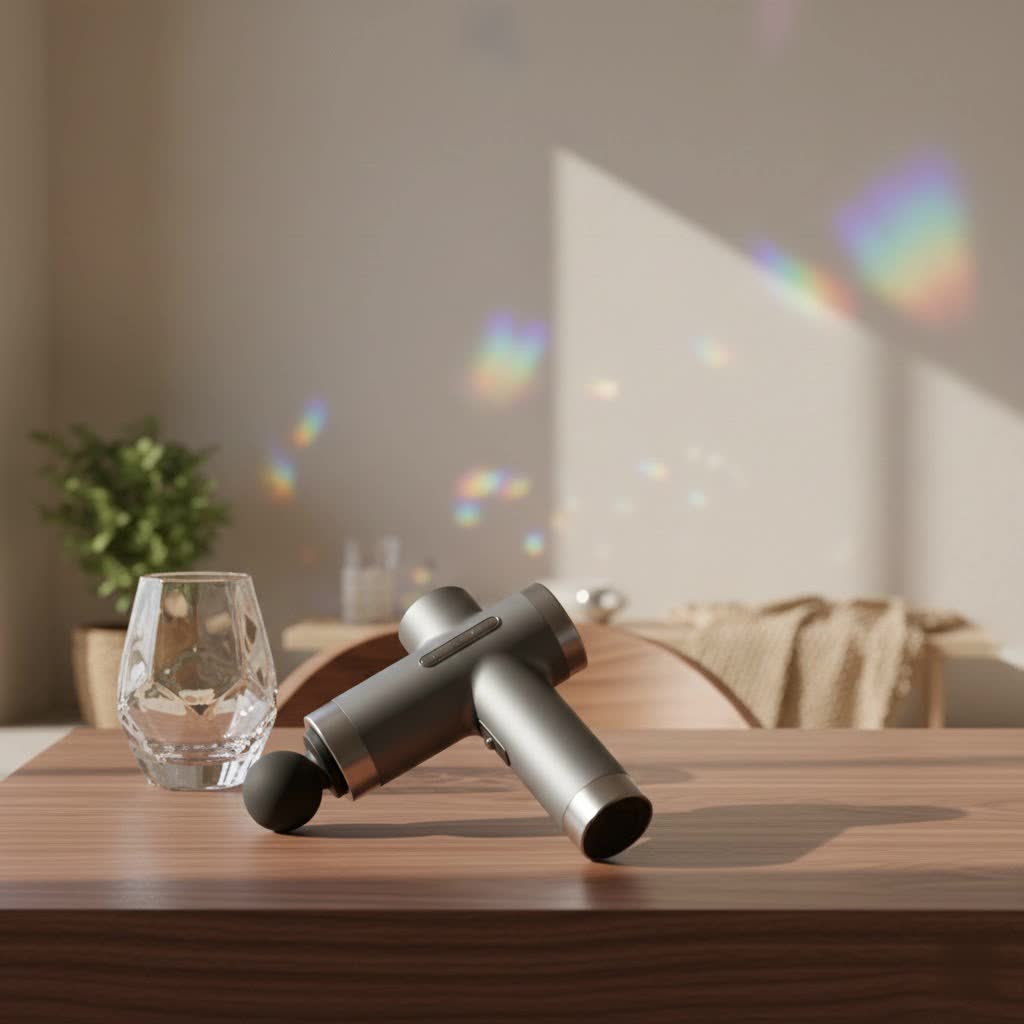
For years, manual therapies have been the cornerstone of chiropractic care. Now, with advancements in technology, devices like the massage gun offer a sophisticated enhancement, bridging the gap between traditional techniques and modern recovery science. At NSDSC, we’ve seen firsthand how these tools can revolutionize muscle preparation and post-treatment recovery, making them an invaluable asset for both practitioners and individuals seeking optimal muscle health.
Why Are Chiropractors Turning to Massage Guns?
Chiropractors are movement specialists focused on the spine and nervous system. However, the muscles surrounding the spine and joints play a critical role in alignment and overall function. When muscles are tight, knotted, or guarded, they can resist adjustments and perpetuate pain cycles. This is where a chiropractor massage gun steps in as a game-changer.
These devices deliver rapid, repetitive strokes deep into muscle tissue, a process known as percussion therapy. This action helps to:
- Increase Blood Flow: The percussive action stimulates circulation, bringing vital nutrients and oxygen to the muscles while flushing out metabolic waste. This is crucial for healing and reducing inflammation.
- Relax Tight Muscles: The vibrations help to desensitize muscle fibers and disrupt pain signals, leading to profound muscle relaxation. This makes subsequent adjustments easier and more effective, reducing the patient’s discomfort.
- Break Up Adhesions and Scar Tissue: Consistent percussion can help to break down fibrous tissue and adhesions that restrict movement and cause pain, restoring greater flexibility.
- Reduce Muscle Soreness and Stiffness: Whether from daily activities, poor posture, or athletic endeavors, massage guns can quickly alleviate the “heavy” feeling in muscles.
|
Our Picks for the Best Massage Gun in 2026
As an Amazon Associate I earn from qualifying purchases.
|
||
| Num | Product | Action |
|---|---|---|
| 1 | BOB AND BRAD C2 Massage Gun, FSA Eligible & HSA Approved Deep Tissue Percussion Massager Gun, Muscle Massager with 5 Speeds and 5 Heads, Electric Back Massagers for Professional Athletes Home Gym |

|
| 2 | Elefor Massage Gun Deep Tissue,Percussion Back Massager Gun for Athletes Muscle Massage Gun for Pain Relief with 8 Massage Heads & 20 Speeds (Matte Black) |
|
| 3 | Mebak 3 Massage Gun, Massage Gun Deep Tissue for Athletes, Professional Muscle Percussion Massager, Massager for Shoulder Leg Back Body Pain Relief, Quiet Portable Sport Tool, Gifts for Him |
|
| 4 | TOLOCO Massage Gun, Deep Tissue Back Massage for Athletes for Pain Relief, Percussion Massager with 10 Massages Heads & Silent Brushless Motor, Christmas Gifts for Women, Men, Black |
|
| 5 | BOB AND BRAD Q2 Mini Massage Gun, Pocket-Sized Deep Tissue Massager Gun, Portable Percussion Muscle Massager Gun, Ultra Small & Quiet Muscle Massage Gun for Muscle Recovery with Carry Case |
|
| 6 | TOLOCO Massage Gun, Deep Tissue Back Massage for Athletes for Pain Relief, Percussion Massager with 10 Massages Heads & Silent Brushless Motor, Christmas Gifts for Women, Men, Grey |
|
| 7 | TOLOCO Massage Gun Deep Tissue, Percussion Massage Gun with 10 Replacement Heads, Super Quiet Portable Electric Massager for Athletes, Relax, Black |
|
| 8 | OLsky Massage Gun Deep Tissue, Handheld Electric Muscle Massager, High Intensity Percussion Massage Device for Pain Relief with 9 Attachments,Pallet of Product |
|
| 9 | AERLANG Massage Gun with Heat Deep Tissue Back Massager Neck Massager for Pain Relief,Muscle Percussion Massage Gun, Birthday Gifts for Men Women Dad him Handheld Message Gun with 7Heads&Silent |
|
| 10 | TOLOCO Massage Gun, Deep Tissue Back Massage for Athletes for Pain Relief, Percussion Massager with 10 Massages Heads & Silent Brushless Motor, Christmas Gifts for Women, Men, Carbon |
|
“Incorporating a massage gun into our practice allows us to prime the muscles more effectively before an adjustment,” explains Dr. Elena Petrova, Lead Chiropractic Physiotherapist at NSDSC. “It’s like warming up the engine before a long drive; the body becomes more receptive, leading to better, longer-lasting results for our patients.”
How Do Chiropractors Utilize Massage Guns in Practice?
The versatility of a chiropractor massage gun allows for integration at various stages of patient care:
- Pre-Adjustment Warm-Up: Before a spinal or joint adjustment, a chiropractor might use the massage gun on surrounding muscles. This relaxes guarded tissues, making the adjustment smoother, less painful, and more effective. It can target areas like the trapezius, erector spinae, or hip flexors that often contribute to spinal misalignment.
- Targeted Soft Tissue Release: For specific trigger points or areas of chronic tension that are difficult to release manually, the focused percussive therapy can provide deep relief. This is especially useful for conditions like piriformis syndrome, chronic neck pain, or IT band tightness.
- Post-Treatment Muscle Relaxation: After an adjustment, the massage gun can be used to further relax the treated area, reinforce the new alignment, and reduce any residual soreness, promoting a quicker recovery.
- Patient Education for Home Use: Many chiropractors will recommend and educate patients on how to safely use a massage gun at home between sessions. This empowers patients to manage their muscle health proactively, extending the benefits of their chiropractic care. They might advise on specific attachments, speed settings, and durations for particular muscle groups.
Choosing the Right Chiropractor Massage Gun: What Matters?
When considering a chiropractor massage gun, either for professional use or for home recommendation, certain features stand out:
- Power and Stall Force: A professional-grade massage gun needs sufficient power to penetrate deep into dense muscle tissue without stalling. Look for higher stall force ratings.
- Amplitude (Stroke Length): This refers to how far the head of the massage gun travels. A longer amplitude (12-16mm) typically offers deeper tissue penetration, which is often preferred for chiropractic applications.
- Speed Settings (RPMs): Variable speed settings are crucial. Lower speeds are great for sensitive areas or general relaxation, while higher speeds can tackle deep knots and dense muscle groups.
- Noise Level: For a clinical setting or home use, a quieter device is always appreciated.
- Battery Life: A long-lasting battery ensures the device is ready when needed, especially in a busy practice.
- Attachments: A variety of head attachments allows for versatile treatment, from large muscle groups to pinpoint trigger points. Common attachments include ball, flat, bullet, and fork heads.
- Ergonomics: The device should be comfortable for both the practitioner to hold during extended use and for the patient to self-apply.
Safe and Effective Use: A Professional Perspective
While massage guns are generally safe, proper technique is paramount, especially when addressing delicate areas or complex musculoskeletal issues. Chiropractors are trained to understand anatomy and biomechanics, making them ideal guides for both in-office and at-home use.
Key safety considerations include:
- Avoid Bony Areas: Never use a massage gun directly on bones, joints, or the spine itself. Focus solely on muscle tissue.
- Stay Clear of Nerves and Blood Vessels: Be mindful of areas where major nerves or blood vessels are close to the surface.
- Start Slow: Begin with the lowest speed setting and light pressure, gradually increasing as tolerated.
- Duration: Typically, 30-60 seconds per muscle group is sufficient for activation or warm-up, and 1-2 minutes for deeper relaxation. Avoid prolonged use on a single spot.
- Listen to Your Body: If you experience pain, stop immediately.
- Consult Your Chiropractor: Always discuss your symptoms and any at-home massage gun use with your chiropractor, especially if you have underlying health conditions or are recovering from an injury.
The Future of Chiropractic Care and Percussive Therapy
The integration of the chiropractor massage gun into clinical practice highlights a growing trend towards combining traditional, evidence-based therapies with innovative tools. These devices aren’t replacements for skilled chiropractic adjustments but rather powerful complements that enhance outcomes and empower patients.
By improving muscle readiness, facilitating deeper tissue release, and aiding recovery, massage guns help chiropractors optimize their treatments, leading to happier, healthier patients with greater mobility and less pain. As the understanding of muscle physiology and recovery science continues to evolve, the role of percussive therapy in professional chiropractic settings is only set to expand.
Frequently Asked Questions (FAQ)
What is a chiropractor massage gun?
A chiropractor massage gun is a percussive therapy device used by chiropractors to deliver rapid, repetitive strokes to muscle tissue, helping to relax muscles, increase blood flow, and prepare the body for adjustments.
Can I use a massage gun on my spine?
No, it is generally recommended to avoid using a massage gun directly on your spine, bones, or joints. Always focus on muscle tissue and consult your chiropractor for guidance on safe application.
How often should I use a massage gun at home?
For general muscle relaxation and recovery, 1-2 times a day for 30-60 seconds per muscle group is usually sufficient. However, always follow the specific recommendations of your chiropractor.
What are the main benefits of a massage gun in chiropractic care?
In chiropractic care, massage guns help by relaxing tight muscles before adjustments, breaking up adhesions, reducing soreness, increasing circulation, and improving overall range of motion, thus enhancing the effectiveness of chiropractic treatments.
Is a massage gun a substitute for a chiropractic adjustment?
No, a massage gun is not a substitute for a chiropractic adjustment. It is a complementary tool that can enhance the benefits of chiropractic care by preparing muscles and aiding in recovery, but it cannot perform spinal or joint adjustments.
What kind of massage gun should I look for if my chiropractor recommends one?
Look for a massage gun with sufficient power and stall force, a good amplitude (12-16mm), multiple speed settings, quiet operation, long battery life, and a variety of attachments. It’s best to ask your chiropractor for specific recommendations.
Conclusion
The chiropractor massage gun is more than just a gadget; it’s a significant advancement in musculoskeletal care, offering a potent tool for muscle preparation, targeted relief, and enhanced recovery. As an expert from NSDSC, I can confidently say that integrating these devices into a comprehensive wellness routine, especially one guided by a chiropractic professional, can unlock new levels of comfort, mobility, and overall physical well-being. Don’t just treat the symptoms; empower your body’s natural healing process with the precision and power of percussive therapy. Talk to your chiropractor today about how a massage gun can become a valuable part of your journey to optimal health.
