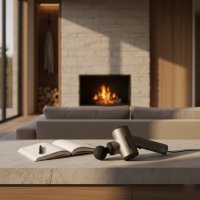
Feeling those nagging aches after a tough workout? Or maybe you’re just carrying tension from a long day? A handheld massage gun might just be the game-changer you need. As your trusted expert at NSDSC.com, with over 15 years in muscle recovery, I’m here to dive deep into how these powerful devices, often called percussive therapy devices, can revolutionize your self-care and performance.
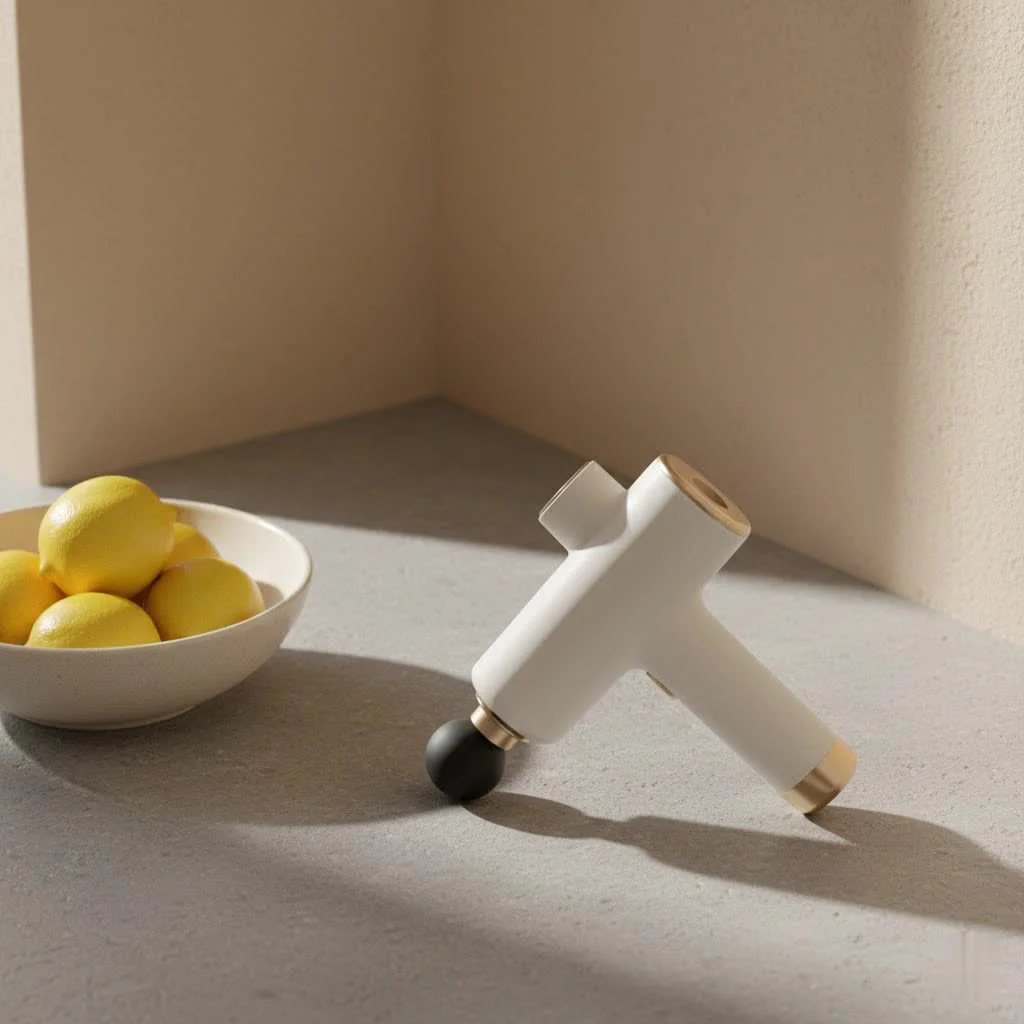
What Exactly is a Handheld Massage Gun?
Imagine a tool that delivers rapid, rhythmic pulses deep into your muscles, mimicking the hands of a skilled therapist – that’s essentially a handheld massage gun. These innovative devices utilize what we call “percussive therapy,” a technique that applies targeted pressure and vibrations to your soft tissues. It’s designed to reach beyond the surface, working deep into your muscles and the surrounding fascia, which is the connective tissue that envelops everything from your muscles to your bones. This deep penetration sets them apart from simple vibrating massagers, offering a more intense and effective treatment for tight spots and knots.
The Science Behind Percussive Therapy: How It Works Wonders
At its core, percussive therapy with a handheld massage gun aims to stimulate blood flow, relax muscle fibers, and reduce pain signals. When the massage gun head makes contact, it sends rapid “percussions” – often up to 40 pulses per second – into your muscle tissue. This action causes a cascade of beneficial effects:
- Improved Blood Flow and Oxygenation: The rapid pulsations help to dilate blood vessels, increasing circulation. This fresh blood carries vital oxygen and nutrients directly to your tired muscles, flushing out metabolic waste products like lactic acid that contribute to soreness.
- Reduced Muscle Tension and Knots: By applying concentrated pressure, the device helps to “interrupt” the pain signals your brain receives, effectively desensitizing the area. It encourages tightened muscle fibers to relax, releasing those stubborn knots and kinks.
- Enhanced Lymphatic Drainage: Just as blood moves through your vascular system, lymph travels through your muscular system. Percussive therapy can stimulate the lymphatic system, helping your body to eliminate toxins and waste more efficiently, which in turn supports a healthier immune system and can even boost metabolism.
- Fascial Release: Beyond the muscles, massage guns effectively loosen up tight fascia. When this connective tissue becomes rigid, it can restrict movement and cause discomfort. The targeted percussions help to soften and release these thickened tissues, improving overall pliability.
The Transformative Benefits of a Handheld Massage Gun
|
Our Picks for the Best Massage Gun in 2026
As an Amazon Associate I earn from qualifying purchases.
|
||
| Num | Product | Action |
|---|---|---|
| 1 | Elefor Massage Gun Deep Tissue,Percussion Back Massager Gun for Athletes Muscle Massage Gun for Pain Relief with 8 Massage Heads & 20 Speeds (Matte Black) |

|
| 2 | Mebak 3 Massage Gun, Massage Gun Deep Tissue for Athletes, Professional Muscle Percussion Massager, Massager for Shoulder Leg Back Body Pain Relief, Quiet Portable Sport Tool, Gifts for Him |
|
| 3 | TOLOCO Massage Gun, Deep Tissue Back Massage for Athletes for Pain Relief, Percussion Massager with 10 Massages Heads & Silent Brushless Motor, Christmas Gifts for Women, Men, Carbon |
|
| 4 | OLsky Massage Gun Deep Tissue, Handheld Electric Muscle Massager, High Intensity Percussion Massage Device for Pain Relief with 9 Attachments,Pallet of Product |
|
| 5 | BOB AND BRAD C2 Massage Gun, FSA Eligible & HSA Approved Deep Tissue Percussion Massager Gun, Muscle Massager with 5 Speeds and 5 Heads, Electric Back Massagers for Professional Athletes Home Gym |
|
| 6 | AERLANG Massage Gun with Heat Deep Tissue Back Massager Neck Massager for Pain Relief,Muscle Percussion Massage Gun, Birthday Gifts for Men Women Dad him Handheld Message Gun with 7Heads&Silent |
|
| 7 | BOB AND BRAD Q2 Mini Massage Gun, Pocket-Sized Deep Tissue Massager Gun, Portable Percussion Muscle Massager Gun, Ultra Small & Quiet Muscle Massage Gun for Muscle Recovery with Carry Case |
|
| 8 | TOLOCO Massage Gun Deep Tissue, Percussion Massage Gun with 10 Replacement Heads, Super Quiet Portable Electric Massager for Athletes, Relax, Black |
|
| 9 | TOLOCO Massage Gun, Deep Tissue Back Massage for Athletes for Pain Relief, Percussion Massager with 10 Massages Heads & Silent Brushless Motor, Christmas Gifts for Women, Men, Grey |
|
| 10 | TOLOCO Massage Gun, Deep Tissue Back Massage for Athletes for Pain Relief, Percussion Massager with 10 Massages Heads & Silent Brushless Motor, Christmas Gifts for Women, Men, Black |
|
Integrating a handheld massage gun into your routine offers a wealth of advantages for anyone seeking better muscle health and enhanced recovery.
Reduced Muscle Soreness and Pain
One of the most celebrated benefits is its ability to significantly reduce delayed-onset muscle soreness (DOMS). By improving blood flow and releasing tension, a massage gun can dramatically lessen that post-workout ache, allowing you to bounce back faster.
Enhanced Flexibility and Range of Motion
Regular use can lead to noticeable improvements in your flexibility and joint mobility. As muscles relax and fascia loosens, your joints can move through a greater range, making everyday movements and athletic performance smoother and more efficient.
Accelerated Warm-up and Cool-down
Before a workout, a handheld massage gun can quickly warm up your muscles, increasing their temperature and pliability, which helps to activate them and reduce injury risk. Afterwards, it aids in cooling down, promoting relaxation and facilitating the recovery process.
Boosted Muscle Recovery
For athletes and active individuals, faster recovery means consistent performance. By increasing circulation and reducing stiffness, massage guns help muscles repair and regenerate more quickly, so you’re ready for your next challenge sooner.
Stress Relief and Relaxation
Beyond physical benefits, the rhythmic pulses can have a profound calming effect. Releasing physical tension often translates into mental relaxation, helping to melt away stress and promote a sense of well-being.
Injury Prevention and Rehabilitation Support
By keeping muscles supple, oxygenated, and free of knots, massage guns can play a crucial role in preventing injuries. For those recovering, it can be a supplementary tool, aiding in the breakdown of scar tissue and promoting healing by increasing circulation to affected areas.
How to Effectively Use Your Handheld Massage Gun
Using a handheld massage gun isn’t just about turning it on and pressing it against a sore spot. Strategic application is key for maximum benefit and safety.
General Guidelines for Safe and Effective Use
Start slow, especially if you’re new to percussive therapy. Begin with a lower speed setting and lighter pressure, gradually increasing as your body adapts. Move the device slowly across the targeted muscle, allowing it to “float” over the surface rather than pressing down too hard. A session on any single muscle group typically shouldn’t exceed 1-2 minutes.
Crucial Safety Tip: Always avoid using the massage gun directly on bones, joints, open wounds, or areas of acute injury. Be particularly cautious around the neck, avoiding the front and sides, and never directly on the cervical spine. Stick to the larger, fleshy muscle groups.
Targeting Specific Muscle Groups with the Right Attachment
The versatility of handheld massage guns largely comes from their interchangeable attachments, each designed for a particular purpose:
- Round/Ball Head: Your go-to for general use on large and medium muscle groups like the quadriceps, glutes, hamstrings, and back. It provides a balanced amount of pressure, making it great for beginners and overall muscle relaxation.
- Flat Head: Ideal for denser, larger muscle groups like the chest, back, and thighs. Its broader surface area distributes pressure evenly, effectively targeting trigger points and promoting blood flow over wider areas.
- Fork/U-shaped Head: Specifically designed for targeting muscles around the spine and other narrow areas like the Achilles tendon. The dual prongs allow you to massage the muscles on either side without putting direct pressure on the bone itself. Use with caution and lower settings, especially near the neck.
- Bullet/Cone Head: This pointed attachment is perfect for deep tissue work and precise targeting of small, stubborn knots, trigger points, and scar tissue in areas like the palms, soles of the feet, or specific points in the calves or forearms. Again, use sparingly and with light pressure.
“Using the correct attachment for the right muscle group is like having a specialized tool for every job,” explains Dr. Anya Sharma, a Physical Therapist and Muscle Recovery Specialist. “It allows for much more effective and safer therapy, ensuring you’re getting the most out of your percussive device without risking injury.”
Before or After Your Workout?
The answer is both!
- Pre-Workout: A 30-second to 1-minute session per muscle group can act as an excellent warm-up. It boosts circulation, increases muscle temperature, and enhances pliability, getting your muscles ready for action and potentially improving performance.
- Post-Workout: Use it to help your muscles cool down, reduce stiffness, and minimize soreness. A longer session (up to 1-2 minutes per area) can aid in flushing out lactic acid and promoting faster recovery.
Choosing the Best Handheld Massage Gun for Your Needs
With so many options on the market, selecting the right handheld massage gun can feel overwhelming. Consider these key features to make an informed decision:
- Power and Intensity: Look for devices with adjustable speed settings and a good amplitude (how deep the head travels). High-quality massage guns often boast an amplitude of 12-16mm, indicating deeper penetration. Check the “stall force” – the amount of pressure you can apply before the motor stops – for an indication of its power. Standard models typically offer 40-50 lbs of stall force.
- Battery Life: If you plan on frequent or extended use, or want to take it to the gym without constant recharging, a longer battery life is essential. Many decent models can last a few days to a week with 15 minutes of daily use.
- Noise Level: Some massage guns can be quite loud. If you value a quiet, relaxing experience, look for models advertised as “low-noise” or “quiet operation.”
- Portability and Weight: For those on the go, a lighter, more compact “mini” massage gun might be ideal. Consider if it comes with a carrying case for easy transport.
- Attachments: Ensure the device comes with a variety of attachments that cater to different muscle groups and therapeutic needs.
- Ergonomics and Handle Design: A comfortable grip is crucial, especially when trying to reach awkward spots like your back or shoulders. Some designs offer longer handles for better reach.
- Brand Reputation and Reviews: Researching reputable brands and reading user reviews can provide valuable insights into the product’s quality, durability, and overall user satisfaction.
Maintaining Your Massage Gun for Longevity
To ensure your handheld massage gun remains a reliable tool for years to come, proper maintenance is key:
- Cleaning: After each use, wipe down the device and its attachments with a clean, damp cloth, or an alcohol wipe, especially if you’re using it on bare skin or sharing it.
- Battery Care: Follow the manufacturer’s guidelines for charging. Avoid overcharging or completely draining the battery frequently, as this can extend its lifespan.
- Storage: Store your massage gun in its carrying case or a clean, dry place to protect it from dust and damage.
Frequently Asked Questions (FAQ)
Are handheld massage guns safe for daily use?
Yes, generally, handheld massage guns are safe for daily use when used correctly and in moderation (1-2 minutes per muscle group). However, always listen to your body and consult a healthcare professional if you have underlying medical conditions or injuries.
How long should I use a massage gun on one area?
For most muscle groups, 30 seconds to 1 minute is sufficient for warm-up or general tension relief. For deeper recovery or stubborn knots, you might extend to 1.5 to 2 minutes, but avoid prolonged use on any single spot to prevent irritation.
Can I use a massage gun before a workout?
Absolutely! Using a massage gun for 30-60 seconds on key muscle groups before a workout can boost circulation, increase flexibility, and activate muscles, preparing your body for exercise and reducing injury risk.
What’s the difference between a massage gun and a foam roller?
While both aid muscle recovery, a massage gun provides targeted, percussive therapy, driving pressure deep into specific areas. A foam roller offers broader, self-myofascial release over larger muscle groups. Massage guns often provide more intense, localized relief that rollers might not achieve.
When should I not use a massage gun?
Avoid using a massage gun on bones, joints, open wounds, bruises, areas of inflammation, sprains, strains, or directly on major arteries/nerves. If you have conditions like deep vein thrombosis, severe osteoporosis, or are pregnant, consult your doctor before use.
Embrace the Power of Percussion
A handheld massage gun is more than just a gadget; it’s a powerful tool for self-care, muscle recovery, and enhanced athletic performance. By understanding how it works, its benefits, and how to use it safely and effectively, you can confidently take control of your muscle health. Whether you’re an elite athlete or simply someone looking to alleviate daily aches, incorporating a handheld massage gun into your routine can lead to a more comfortable, active, and flexible life. Start exploring the possibilities and experience the profound difference for yourself.
Get our weekly buyer guide
Practical specs, not advice. Unsubscribe anytime.