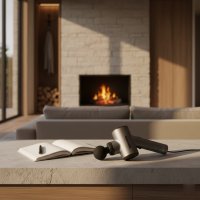
In the quest for optimal muscle health and recovery, the massage gun has emerged as a revolutionary tool. But owning one is only half the battle; the real magic happens when you understand how to wield a target massage gun effectively, directing its percussive power precisely where your body needs it most. At NSDC.com, we believe in empowering you with the knowledge to transform your wellness routine, and today, we’re diving deep into the art of pinpointing muscle relief.
Whether you’re an athlete pushing your limits, a desk worker battling persistent tension, or simply someone seeking enhanced well-being, learning to use your massage gun with precision can unlock a new level of recovery and comfort. It’s about moving beyond general vibrations to a focused approach that addresses the root causes of your muscle discomfort, fostering deeper healing and lasting relief. For expert massage guns reviews on this site.
Why Targeted Percussive Therapy? Unlocking Deeper Relief
Think of your muscles as an intricate network of fibers, fascia, and nerve endings. While a general massage offers broad benefits, a target massage gun approach allows you to zero in on specific problem areas, delivering concentrated percussive therapy that penetrates deep into tissues. This precision is key to maximizing the therapeutic effects and achieving tangible results.
The benefits of this focused application are extensive:
- Enhanced Muscle Recovery: By precisely targeting fatigued muscles, percussion therapy boosts blood flow, helping to flush out metabolic waste like lactic acid and supply vital nutrients. This significantly reduces delayed onset muscle soreness (DOMS) and speeds up your body’s natural recovery process.
- Improved Flexibility and Range of Motion: Over time, tight muscles and constricted fascia can limit your movement. Targeted percussion works to loosen these restrictions, increasing elasticity in your muscle fibers and connective tissues, ultimately improving your overall flexibility and range of motion.
- Effective Pain and Tension Relief: When you focus the massage gun on specific knots or tense areas, the rapid pulsations disrupt pain signals and encourage deep muscle relaxation. This can provide immediate and lasting relief from chronic aches and acute soreness, making your daily activities more comfortable.
- Increased Blood Circulation and Lymphatic Drainage: Precise stimulation dramatically enhances local blood flow, bringing oxygen and nutrients to distressed tissues. Simultaneously, it aids in lymphatic drainage, helping your body eliminate toxins and reduce inflammation more efficiently.
- Better Warm-Up and Cool-Down: Incorporating a target massage gun into your pre-workout routine can activate specific muscle groups, preparing them for activity and improving performance. Post-workout, it accelerates the cool-down process, preventing stiffness and promoting relaxation.
Choosing Your Weapon: Massage Gun Attachments for Precision
Just as a skilled craftsman uses different tools for different tasks, mastering your massage gun involves understanding its various attachments. Each head is designed to deliver specific types of pressure and coverage, making it crucial to select the right one for your targeted muscle group.
Here are the most common attachments and their optimal uses:
- Ball Head (Large & Soft): This is your go-to, all-rounder. Its broad surface and softer density make it ideal for general muscle massage, especially on large muscle groups like the glutes, hamstrings, and quads. It distributes pressure evenly, making it comfortable for wider areas.
- Flat Head: Versatile and robust, the flat head is excellent for denser muscles and full-body relaxation. It’s particularly effective for areas like the shoulder blades, IT bands, and chest, providing a consistent, firm pressure that can address deeper knots without being overly aggressive.
- Fork/U-Head: Shaped like a “U,” this head is specifically designed to work around bones, making it perfect for targeting the muscles on either side of the spine (always avoid direct contact with the spine itself), as well as the Achilles tendons, ankles, and feet.
- Bullet Head: With its small, focused tip, the bullet head is your precision tool for deep tissue work. It excels at isolating trigger points, breaking up stubborn knots, and reaching small, concentrated muscle areas. Use it carefully and with lighter pressure.
- Cushion/Air Head: Softer and more forgiving than other attachments, the cushion head is designed for sensitive or bony areas where you need a gentler touch. It’s excellent for overall relaxation or for easing into percussion therapy if you’re new to it.
Mastering the Technique: How to Target Specific Muscle Groups
Using your target massage gun effectively requires a blend of technique and body awareness. Always remember to listen to your body and adjust as needed.
General Guidelines for Safe and Effective Use:
- Start Low and Go Slow: Always begin with the lowest intensity setting and gradually increase it as your muscles adapt and you become comfortable. Too much pressure too soon can be counterproductive.
- Maintain a Perpendicular Angle: Hold the massage gun so the head is perpendicular to the muscle surface. This allows the percussion to penetrate effectively and comfortably.
- Keep It Moving: Don’t hold the massage gun stationary on one spot for too long. Glide it smoothly across the muscle or move it in small circles. For trigger points, you can hold it slightly longer (up to 20-30 seconds), but continuously assess your comfort level.
- Let the Gun Do the Work: You don’t need to press hard. The percussive action is designed to do the work; applying excessive pressure can cause bruising or discomfort.
- Duration: For muscle activation before a workout, aim for about 30 seconds per muscle group. For post-workout cool-down or general soreness relief, spend 1 to 2 minutes per muscle group.
Specific Muscle Focus:
Back (Upper & Lower)
|
Our Picks for the Best Massage Gun in 2026
As an Amazon Associate I earn from qualifying purchases.
|
||
| Num | Product | Action |
|---|---|---|
| 1 | TOLOCO Massage Gun, Deep Tissue Back Massage for Athletes for Pain Relief, Percussion Massager with 10 Massages Heads & Silent Brushless Motor, Christmas Gifts for Women, Men, Carbon |

|
| 2 | TOLOCO Massage Gun, Deep Tissue Back Massage for Athletes for Pain Relief, Percussion Massager with 10 Massages Heads & Silent Brushless Motor, Christmas Gifts for Women, Men, Black |
|
| 3 | TOLOCO Massage Gun, Deep Tissue Back Massage for Athletes for Pain Relief, Percussion Massager with 10 Massages Heads & Silent Brushless Motor, Christmas Gifts for Women, Men, Grey |
|
| 4 | BOB AND BRAD Q2 Mini Massage Gun, Pocket-Sized Deep Tissue Massager Gun, Portable Percussion Muscle Massager Gun, Ultra Small & Quiet Muscle Massage Gun for Muscle Recovery with Carry Case |
|
| 5 | TOLOCO Massage Gun Deep Tissue, Percussion Massage Gun with 10 Replacement Heads, Super Quiet Portable Electric Massager for Athletes, Relax, Black |
|
| 6 | OLsky Massage Gun Deep Tissue, Handheld Electric Muscle Massager, High Intensity Percussion Massage Device for Pain Relief with 9 Attachments,Pallet of Product |
|
| 7 | Mebak 3 Massage Gun, Massage Gun Deep Tissue for Athletes, Professional Muscle Percussion Massager, Massager for Shoulder Leg Back Body Pain Relief, Quiet Portable Sport Tool, Gifts for Him |
|
| 8 | Elefor Massage Gun Deep Tissue,Percussion Back Massager Gun for Athletes Muscle Massage Gun for Pain Relief with 8 Massage Heads & 20 Speeds (Matte Black) |
|
| 9 | AERLANG Massage Gun with Heat Deep Tissue Back Massager Neck Massager for Pain Relief,Muscle Percussion Massage Gun, Birthday Gifts for Men Women Dad him Handheld Message Gun with 7Heads&Silent |
|
| 10 | BOB AND BRAD C2 Massage Gun, FSA Eligible & HSA Approved Deep Tissue Percussion Massager Gun, Muscle Massager with 5 Speeds and 5 Heads, Electric Back Massagers for Professional Athletes Home Gym |
|
For the back, especially the bulky muscles alongside your spine, use a flat head or ball head. Glide the massage gun in up-and-down motions, moving slowly along the length of the muscles. For your lower back, a thumb head can target tighter spots. Crucially, never apply the massage gun directly on your spine or other bony prominences. Focus only on the muscle tissue.
Shoulders & Neck
These areas often harbor significant tension. Use a ball head for the larger shoulder muscles (deltoids, traps). For the neck, extreme caution is necessary. Use the U-head gently on the muscles on either side of the cervical spine, such as the upper traps and levator scapula. Absolutely avoid the front and sides of the neck where arteries, nerves, and veins are close to the surface.
Quads, Hamstrings & Glutes
For these large muscle groups, the ball head or flat head is your best friend. Use long, gliding strokes along the entire length of the muscle, moving from the knee towards the hip for quads, or along the back of the thigh for hamstrings. For the glutes, a round or cushioned attachment with moderate pressure is effective, especially after squats or prolonged sitting.
Calves & Feet
If you’re a runner or spend a lot of time on your feet, targeted calf and foot massage can be a game-changer. Use a ball head or U-head for the calves, moving slowly from the ankle up to the knee. For the feet, the U-head or bullet head can be used on the arches and heels to alleviate pain and promote recovery from foot-related conditions.
Arms (Biceps, Triceps, Forearms)
The ball head works well for the biceps and triceps. Glide the gun up and down the length of the muscle, and also side to side across the muscle fibers. For forearms, which can be sensitive, use lighter pressure with a ball or flat head, moving in small circular motions, especially if you engage in grip-intensive activities like weightlifting or typing.
Safety First: What to Avoid with Your Target Massage Gun
While a massage gun is a powerful tool for self-care, it’s vital to understand its limitations and potential risks. Improper use can lead to injury, so always prioritize safety.
Areas to Absolutely Avoid:
- Bony Areas and Joints: Never use a massage gun directly on bones, joints (like knees, elbows, ankles), or tendons. This can cause irritation, inflammation, or even damage to these sensitive structures.
- Front and Sides of the Neck: As mentioned, these areas contain critical arteries, nerves, and glands that are vulnerable to the intense percussion. Keep the gun strictly to the muscle tissue at the back and sides of the upper neck, if at all.
- The Groin Area: This region contains sensitive nerves and blood vessels that should not be exposed to the strong pulsations of a massage gun.
- Injured Skin or Sensitive Areas: Avoid using the massage gun over cuts, bruises, abrasions, scabs, rashes, or any areas with inflammation or medical conditions like varicose veins.
- Areas of Acute Pain or Injury: If you’re experiencing sharp, radiating pain or suspect an injury, do not use the massage gun. Consult a healthcare professional first.
Remember, a massage gun is a recovery tool, not a diagnostic or treatment device for serious medical conditions. If you have any underlying health issues or are unsure about using the device, always consult with a doctor or physical therapist.
When to Reach for Your Targeted Relief
The versatility of a target massage gun means it can be integrated into various parts of your daily routine.
- Pre-Workout Warm-Up: Spend 30 seconds to 1 minute per muscle group you plan to work. This helps to increase local blood flow, activate muscles, and improve mobility, preparing your body for exercise.
- Post-Workout Cool-Down and Recovery: After your workout, dedicate 1 to 2 minutes per muscle group to aid in reducing soreness, promoting circulation, and accelerating recovery. This helps your muscles relax and rebuild.
- Daily Muscle Tension and Stiffness: Whether from prolonged sitting, poor posture, or everyday stress, a short 1-2 minute session on tense areas can provide significant relief throughout the day.
- Stress Reduction: The rhythmic percussions can have a calming effect on the nervous system, helping to alleviate mental stress and promote relaxation, akin to a professional massage. Even short, targeted sessions can help you unwind.
Expert Insight for Optimal Use
“The true power of a massage gun isn’t just in its force, but in its precision,” states Dr. Anya Sharma, a leading sports physiotherapist. “By understanding how to effectively target specific muscles and using the right attachment, you’re not just getting a massage; you’re engaging in a personalized recovery session that speaks directly to your body’s needs. It’s about empowering yourself with knowledge to heal and strengthen from within.”
Frequently Asked Questions (FAQs)
Can I use a massage gun every day on the same spot?
While you can use a massage gun daily, it’s generally recommended to limit the application to any single muscle group for no more than 1 to 2 minutes. Overuse on one spot can lead to increased sensitivity or bruising.
How long should I use a massage gun on one muscle?
For pre-workout activation, 30 seconds is often sufficient. For post-workout recovery or to relieve soreness, 1 to 2 minutes per muscle group is a good guideline. Avoid holding it in the exact same spot for more than 20-30 seconds.
What intensity should I use?
Always start on the lowest setting. Gradually increase the intensity only if it feels comfortable and beneficial. The goal is relief, not pain. Adjust based on the muscle group; larger, denser muscles can often tolerate higher settings than smaller, more sensitive ones.
Are massage guns good for deep tissue knots?
Yes, massage guns are particularly effective at reaching deep tissue knots and trigger points. Using a bullet attachment with controlled, moderate pressure for 20-30 seconds on such spots can help to break up adhesions and release tension.
Can a massage gun help with chronic pain?
For chronic muscle-related pain, a massage gun can provide significant temporary relief by improving circulation and reducing tension. However, it’s crucial to consult a healthcare professional to diagnose the root cause of chronic pain and ensure percussive therapy is a suitable part of your overall treatment plan.
Conclusion
Embracing the target massage gun as a cornerstone of your muscle recovery and wellness routine can truly transform your physical well-being. By understanding how to precisely address your muscles, choosing the right attachments, and applying safe, effective techniques, you gain unparalleled control over your body’s health. You’re not just using a tool; you’re becoming an expert in your own self-care.
We encourage you to experiment cautiously, learn what works best for your unique body, and confidently integrate targeted percussive therapy into your daily life. Your journey to a more relaxed, flexible, and pain-free existence begins with precision and purpose.
Get our weekly buyer guide
Practical specs, not advice. Unsubscribe anytime.